
High-Volume Festival Vendors: What Separates Them From Casual Setups
WRITTEN FOR OPERATORS, NOT ORGANIZERS
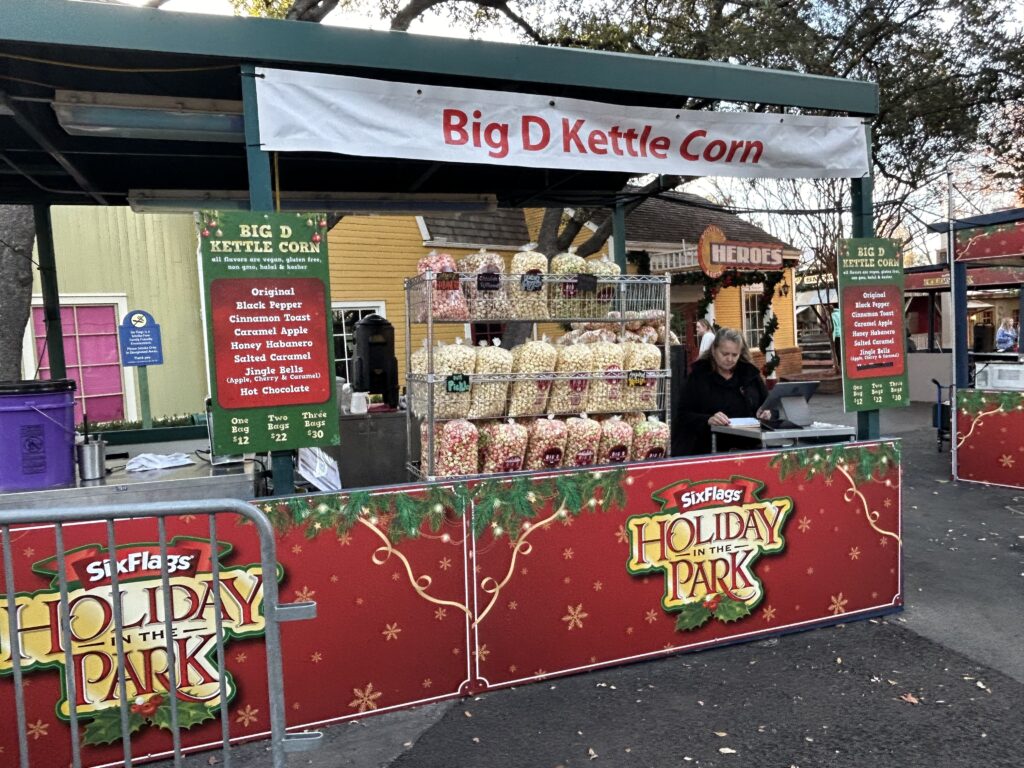
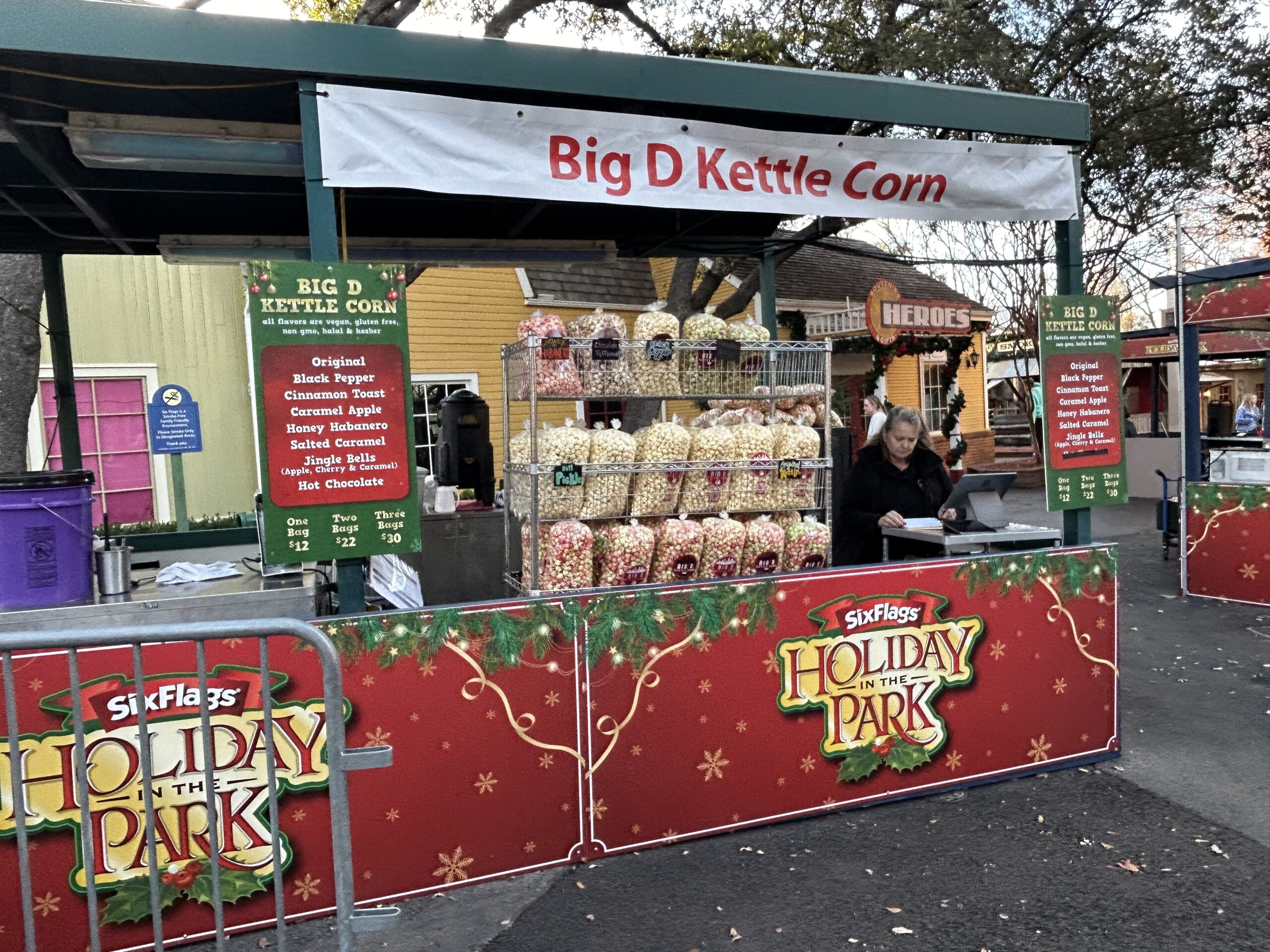
A Saturday market and a major festival push are not the same job. Long lines, narrow load-in windows, weather, power limits, health checks, and a crowd that expects the line to keep moving — that’s a different operation entirely.
High-volume isn’t a marketing label. It’s a vendor who can repeat a high-output service model under pressure, event after event. Book the wrong mix for a big crowd and the result is missed sales, frustrated guests, and a food court that looks full on paper but can’t actually feed anyone.
High Volume Is a System, Not a Claim
A high-volume vendor can explain how they move customers through the line — menu speed, ticket flow, production limits, staffing, restock rhythm, where things slow down. That means a real number: customers served per hour, the event that number came from, and the setup used to hit it. A lemonade trailer and a barbecue pit don’t move at the same speed. What matters is the vendor knows their own range and can say so plainly.
Customers Per Hour Should Be a Planning Number
That number is only useful if it’s honest — not a best-day-ever figure, but a real estimate tied to a specific setup. A useful vendor profile attaches context to the number:
- Setup: trailer, truck, tent, ground booth, second booth, pickup window, or multiple units
- Menu: full menu, limited festival menu, grab-and-go, batch service, or cooked-to-order
- Staffing: how many people work the rush
- Payment: one register, multiple registers, QR ordering, cash/card, or separate pickup
- Best fit: fairs, festivals, sporting events, markets, private events, corporate events, or school/community events
Early TXFVA profiles should show a range, not a single hard claim:
- Steady service: regular event flow, smaller crowds, moderate lines
- High-volume ready: sustained rush periods, larger public events
- Major festival capacity: large crowds, repeatable menu flow, high peak demand with the right setup
The actual number still belongs in the profile. Eighty customers an hour with one setup and two hundred with a simplified menu and a second point of service isn’t a contradiction — that’s just real operations.
Menu Discipline Separates Serious Operators
Too many choices and too many slow-build items sink an otherwise strong vendor during a rush. Festival-ready menus are tighter — repeatable prep, fast ordering, clear pricing, items that hold up while the line keeps moving. The food doesn’t have to be boring. The operator just has to know what survives a rush: consistent product, a staff that knows the routine, a line that keeps advancing.
The Setup Has to Match the Crowd
Setup has to fit the footprint, power, staffing, and crowd flow of the specific event. A single trailer that’s plenty for a moderate event might need a second trailer, a ground booth, or a simplified menu for a major festival. Vendors with more than one event-ready configuration can serve more kinds of events instead of forcing every planner into the same footprint — that flexibility is often the difference between bookable and passed over.
Photos should show the actual setup: trailer, booth, counter, menu display, queue area. Not just a logo.
Line Control Is Part of the Product
Guests judge the experience before they taste the food. Confusing ordering, unclear pricing, slow payment, or a blocked pickup line costs speed, and the event loses energy with it. High-volume vendors treat the line as part of the operation: clear signage, visible pricing, fast payment, trained staff, and a layout that separates ordering, production, and pickup. Small fixes matter when the same process repeats hundreds of times in a day.
Service Roles Make the Rush Work
At volume, teamwork isn’t a nice extra — it’s the operating system. The vendors who survive hard rushes have clear roles before the line forms:
- Order station: greets customers, keeps choices clear, keeps the line moving
- Payment station: handles card, cash, tips, receipts, and split tender without blocking production
- Production station: prepares product consistently and watches quality during the rush
- Expeditor/pickup: gets orders to customers, keeps completed orders from clogging the counter
- Runner/restock: refills product, packaging, cups, and ice before the front line runs dry
- Lead operator: watches the whole flow, solves problems, talks to event staff
Not every role needs a separate person — some teams combine stations. What matters is that the work is assigned. High volume gets dangerous when everyone’s busy and nobody owns the bottleneck. Good teams call out problems early: low inventory, a menu item that needs to pause, supplies that need moving, before the front counter has to ask.
Documents Still Matter Under Pressure
High-volume events often carry tighter requirements: insurance certificates, health permits, food manager documents, fire inspection status, propane and generator notes, vehicle or trailer registration, commissary information. The strongest operators have this ready before a planner asks — not for the paperwork’s own sake, but because a clean first pass keeps the event moving toward approval.
Staffing and Prep Decide the Day
Every high-volume vendor has a bottleneck somewhere — prep, cooking capacity, packaging, payment, or restocking. The serious operator finds that weak point before the event and builds around it: extra staff, a dedicated runner, a tighter menu, backup equipment, more supplies staged.
It also means trusting the crew. A lead operator who has to touch every task personally becomes the bottleneck. The best high-volume teams are trained well enough that the owner can look up, talk to the planner, fix a supply problem, and still know the stations are holding.
What Planners Should Ask
Booking food for a big event is more than “what do you serve.” Ask:
- How many customers can you realistically serve per hour with this setup?
- Is that number based on a full menu, limited menu, batch service, or grab-and-go?
- What setup are you bringing — truck, trailer, tent, booth, or multiple units?
- How many staff will be on site?
- What are your power, water, propane, and generator needs?
- What documents do you already have ready?
- What menu will you run for this crowd size?
- How do you handle long lines, pickup, and restocking?
- Have you served events this size before?
Those questions don’t insult a good vendor. They help the right one stand out.
The Bottom Line
Not every vendor needs to be built for a major festival rush. A cottage producer, private caterer, or small-market operator can be excellent without being the right fit for a high-traffic event. The goal isn’t to flatten every vendor into one category. It’s to describe the operation accurately, so planners can book the right fit.
Match the vendor to the event, and the operator, the planner, the venue, and the crowd all win.