
The Texas Food Handler Certification, Decoded
WRITTEN FOR OPERATORS, NOT ORGANIZERS
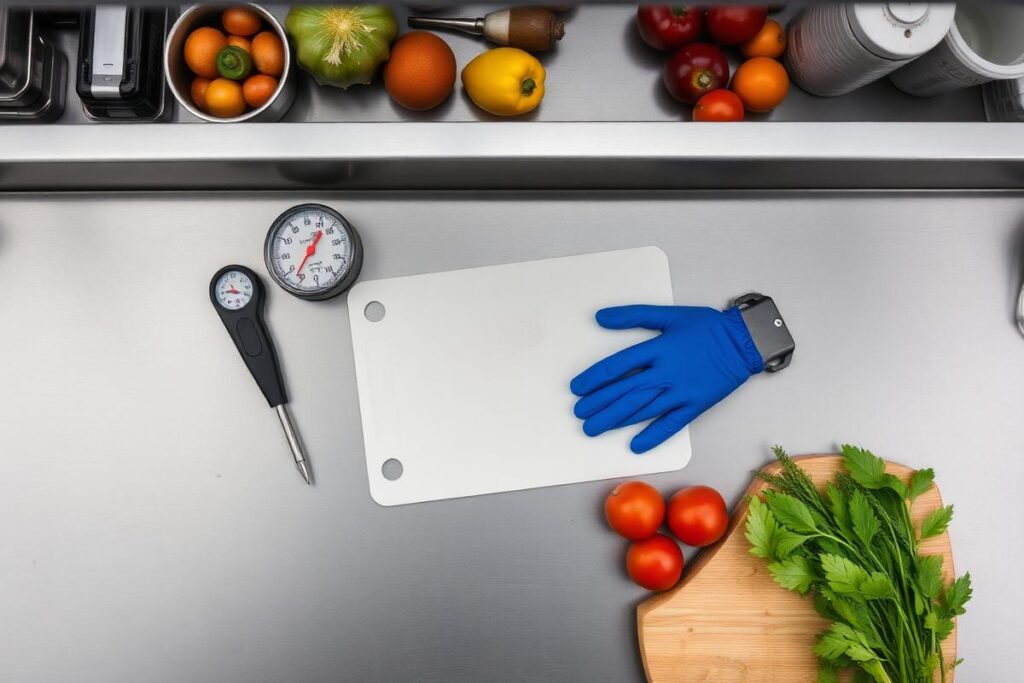
Every Texas food vendor needs one. Here’s exactly what it covers, who issues it, and how much you should actually pay.
If you handle unpackaged food anywhere in Texas — from a brisket trailer in Lockhart to a snow-cone stand in McAllen — state law requires a Food Handler Certificate within 60 days of hire. The rule comes from the Texas Department of State Health Services (DSHS), and it applies to owners, employees, and seasonal helpers alike.
What the card actually proves
The certificate documents that you completed an accredited course covering temperature control, cross-contamination, allergen awareness, personal hygiene, and cleaning chemicals. It is not a Food Manager certification — that’s a separate, deeper credential typically required for at least one person per operation under most municipal codes.
Approved providers (and what to pay)
DSHS maintains a list of accredited online programs. Reasonable pricing in 2026 is $7–$15 for the basic Food Handler course. If a vendor is quoting you $40 or more, walk away — that’s a markup, not a higher-quality course.
- StateFoodSafety — $10, mobile-friendly
- Learn2Serve by 360training — $7, widely accepted
- eFoodHandlers — $7, no-frills
- ServSafe Food Handler — $15, recognized nationally
Local rules still apply
Austin, Houston, San Antonio, Dallas, and Fort Worth all add their own permitting layer on top of the state card. Houston, for example, requires an additional city-issued food handler card after you pass the state course. Always call the local health department before you assume the state card is enough.
Renewal
Texas Food Handler cards are valid for two years. Mark the expiration in your calendar the day you receive it — letting it lapse is the single most common reason vendors fail a surprise inspection.